
The Role of Luck in Gambling
Luck is often cited as the primary factor in gambling outcomes, and for good reason. Many games of chance, such as slot machines and roulette, fundamentally rely on randomness. The house edge ensures that over time, casinos are likely to profit from these games, but individual players can hit substantial wins on occasion simply due to favorable odds. This phenomenon of luck can create a sense of allure, drawing gamblers to chase after that next big win, especially when they explore the best betting sites canada that offer unique opportunities. The excitement of hitting a jackpot or receiving an unexpected payout keeps players engaged, fueling their desire to return for more.
However, it’s essential to understand that luck is inherently unpredictable. Some players may experience a streak of good fortune, achieving significant payouts in a single session, while others might endure long stretches of losses. This variability is what keeps many coming back to the tables or machines, hoping that the dice will roll in their favor. Yet, many fail to recognize that reliance on luck alone can lead to detrimental financial decisions. The thrill of winning can create a false sense of security, leading players to believe that they have mastered the game when, in reality, they are often at the mercy of chance.
Moreover, the psychology of luck can impact a gambler’s decision-making process. Winners may feel emboldened, leading them to increase their bets and risk more than they normally would. This can create a cycle where they either win big and feel invincible or eventually lose even more when the luck shifts. Understanding the role of luck is crucial, but it should not be the sole strategy anyone relies on when gambling. Acknowledging that luck is a temporary factor may help players maintain a more balanced perspective and avoid chasing losses out of desperation.
The Importance of Strategy and Skill
While luck is a significant component of gambling, strategy and skill play an equally vital role, especially in games like poker or blackjack. In these games, players have the opportunity to make decisions that can influence the outcome. For instance, skilled poker players not only rely on their hands but also read opponents to gauge their gameplay, ultimately improving their chances of winning. These strategic elements can provide an edge that mere luck cannot. Effective players often employ various techniques, such as bluffing or adjusting their betting patterns based on opponents’ behavior, showcasing the depth of skill involved in these games.
In blackjack, a player’s knowledge of basic strategy can dramatically reduce the house edge. By understanding when to hit or stand, players can significantly influence their chances of winning. This combination of strategy and skill can mean the difference between a seasoned player who consistently profits and a novice who simply relies on luck to determine the outcome of each game. By mastering the rules and nuances of these games, strategic players can navigate the complexities of gambling with confidence and poise.

That said, not all gamblers choose to engage with strategy. Many enter casinos seeking entertainment rather than a serious pursuit of winnings. This mindset often leads to losses, as players may lack the foundational understanding of the games they are playing. Those who take the time to learn and apply strategies are often the ones who walk away with significant sums, illustrating the importance of skill in the gambling arena. Investing time in learning the intricacies of each game can empower players to make informed choices and potentially enhance their overall gambling experience.
The Psychological Factors at Play
The psychology of gambling is another key element that influences why some players experience success while others do not. Emotional states, such as excitement, desperation, and overconfidence, can lead gamblers to make irrational decisions. A player on a winning streak might feel invulnerable, resulting in reckless betting. Conversely, a player on a losing streak may chase losses, worsening their situation. Understanding these psychological triggers is critical for anyone looking to improve their gambling experience. Awareness of one’s emotional state during gameplay can help mitigate impulsive decisions that stem from heightened feelings.
A significant psychological concept in gambling is called “loss aversion,” which suggests that people tend to prefer avoiding losses over acquiring equivalent gains. This can lead gamblers to bet bigger amounts in an attempt to recover losses, often resulting in even greater financial setbacks. Recognizing and managing these emotions can be the key differentiator between winning and losing streaks. By remaining calm and composed, players can make more rational decisions that align with their overall gambling strategy, rather than succumbing to emotional impulses that may lead to regret.
Additionally, the social aspect of gambling can further complicate decision-making. Many individuals enjoy the camaraderie of playing with friends or interacting with dealers and other players, which can cloud judgment when it comes to making strategic bets. While socializing in gambling settings can be fun, it’s crucial to remain disciplined and focused to mitigate the psychological factors that may lead to losses. Establishing boundaries for social gambling can help players enjoy their time while still maintaining a level of control over their decisions, ultimately promoting a healthier gambling experience.
The Influence of Bankroll Management
Bankroll management is essential for any gambler, as it directly correlates with the ability to sustain play over the long term. Successful gamblers typically establish a budget and adhere to it, which allows them to play responsibly without overextending their finances. Those who do not practice sound bankroll management often find themselves in perilous situations, where impulsive decisions can lead to significant financial loss. By setting clear limits on how much to spend, players can avoid the pitfalls of chasing losses and maintain a more enjoyable gambling experience.
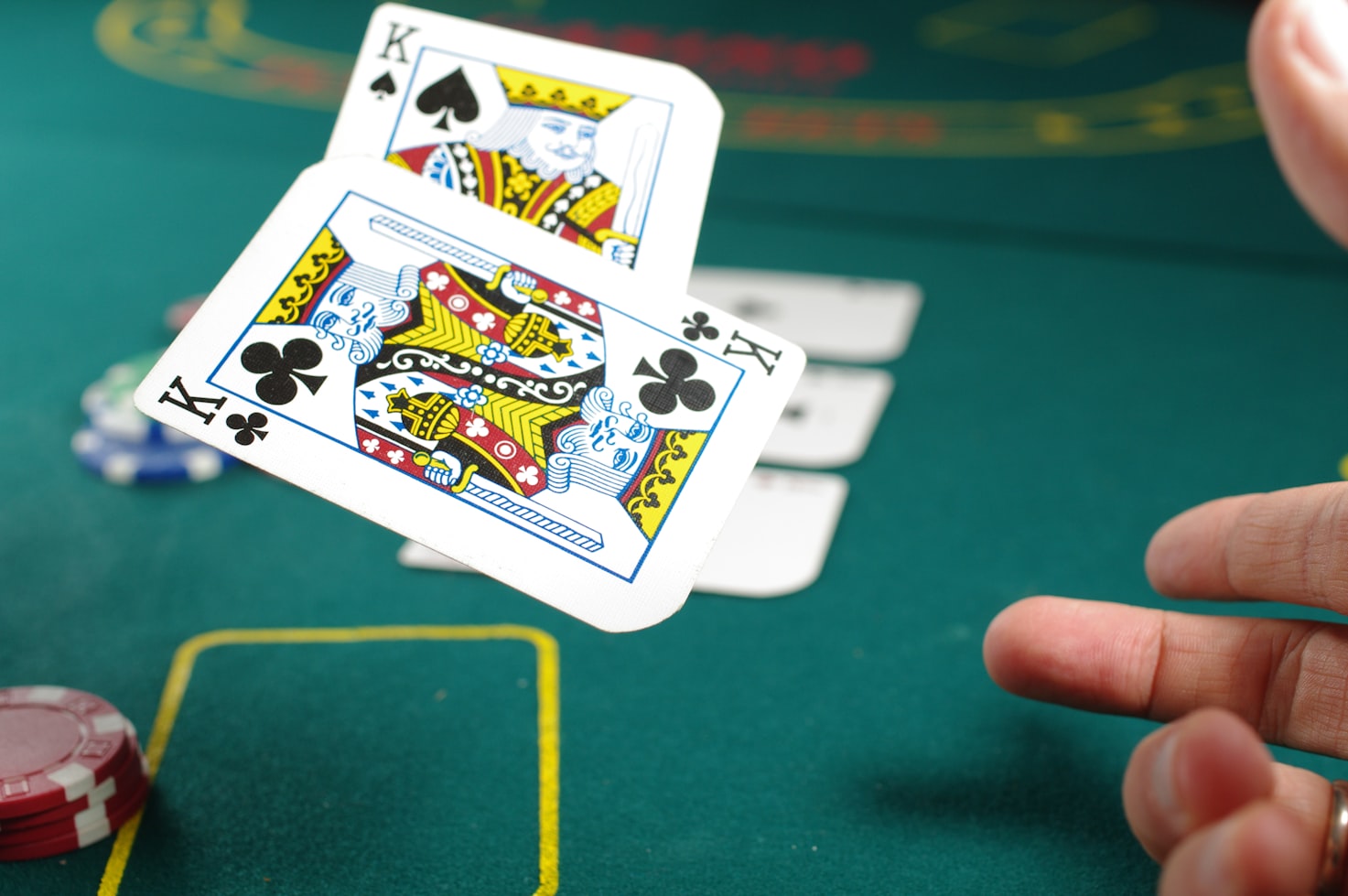
A well-structured bankroll management strategy involves understanding one’s limits and making informed choices about when to bet and when to walk away. For instance, setting aside a specific portion of one’s budget for gambling minimizes the risk of chasing losses or betting beyond means. It’s a simple yet effective strategy that can determine whether a gambler enjoys their time at the casino or ends up regretting their choices. Moreover, disciplined bankroll management enables players to extend their playtime, allowing for more opportunities to win while minimizing the risk of substantial losses.
Additionally, seasoned gamblers will often advise newcomers on the importance of keeping gambling and entertainment budgets separate. By treating gambling as a form of entertainment rather than an investment, players can maintain a healthier relationship with gambling and reduce the emotional toll associated with losing streaks. Thus, bankroll management is not merely a financial strategy but a crucial psychological tool for success in gambling. Establishing a clear boundary between entertainment and serious financial investment can help maintain a balanced approach to gambling.
Final Thoughts on Gambling Success
In conclusion, the dichotomy between those who win big and those who lose in the gambling world can be attributed to a combination of factors such as luck, strategy, psychology, and bankroll management. While luck may play a significant role in the immediate outcomes of games, it is often the players who engage thoughtfully and strategically who achieve lasting success. Recognizing the interplay of these elements can empower gamblers to make more informed decisions and potentially enhance their gaming experiences. Acknowledging that gambling is a multifaceted endeavor can lead to a deeper understanding of how to navigate its intricacies.
Furthermore, understanding the nature of gambling as a form of entertainment rather than solely a means to make money can lead to healthier habits and better decision-making. Those willing to continuously learn and adapt their strategies will likely find themselves in a more favorable position than those who gamble impulsively based solely on chance. Ultimately, a well-rounded approach is essential for anyone looking to navigate the complex world of gambling successfully. By combining luck with skill, strategy, and sound psychological practices, players can increase their chances of having a rewarding gambling experience.
This article aims to provide insights into the diverse factors that influence gambling outcomes. By exploring the roles of luck, strategy, psychology, and bankroll management, players can better understand how to improve their gambling experiences. Whether you are a novice or a seasoned player, these principles can guide you in making more informed decisions and enjoying a more fulfilling time. Remember, gambling should be enjoyable and responsible, allowing for excitement without leading to financial strain.
